Frankie Becker · 25 September 2026
Analyzing Bandwidth Distribution Patterns Among Self-Operated Sites in Response to Modified Search Bot Behaviors
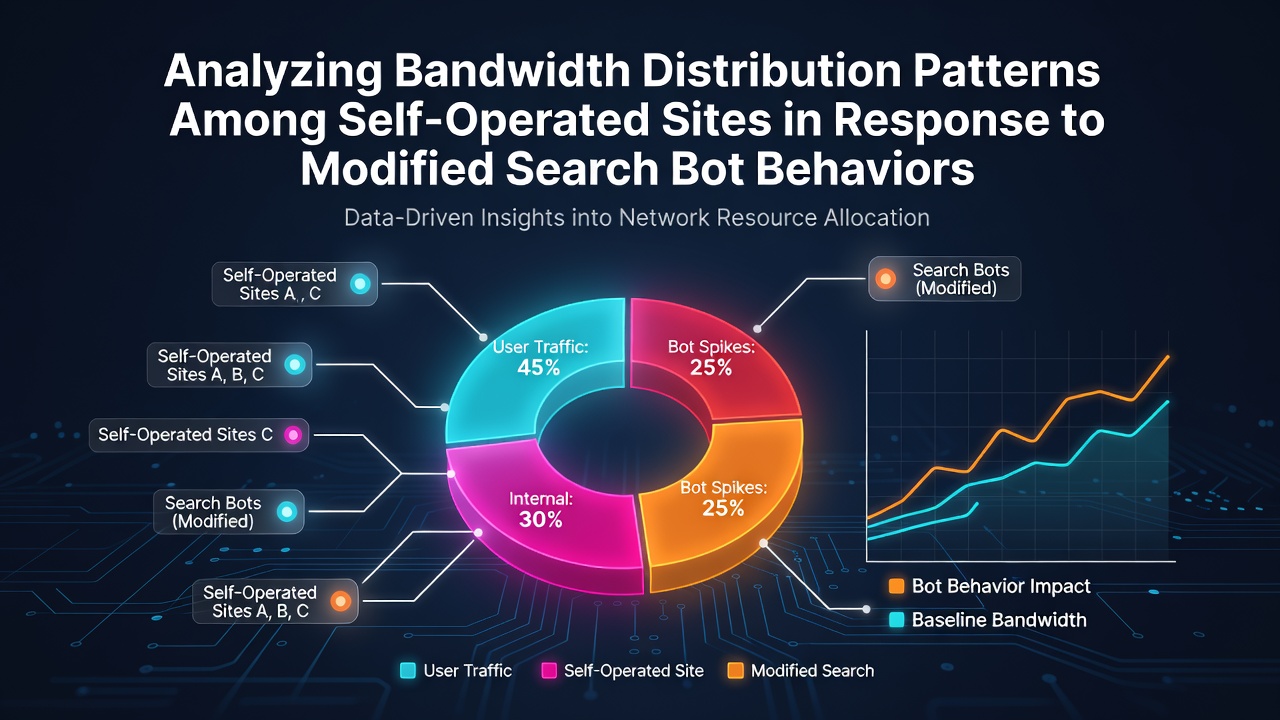
Self-operated sites have encountered shifts in how search engine bots interact with their servers since the early 2020s, and these changes have prompted adjustments in bandwidth allocation strategies across independent web properties. Data from multiple monitoring platforms indicate that bot behaviors, including variations in crawl frequency and request patterns, directly influence how operators distribute available network resources between automated traffic and human visitors. Researchers tracking these interactions note that sites often implement rate limiting and caching layers to maintain stable performance when bots increase their activity levels.
Observed Changes in Bot Activity and Initial Site Responses
Modified search bot behaviors typically manifest through adjustments in crawl schedules and the volume of requests directed at specific page types, and self-operated sites respond by reallocating bandwidth toward more efficient content delivery networks. Figures from traffic analysis tools reveal that many independent operators began prioritizing static asset caching in 2024, which reduced unnecessary data transfers during periods of heightened bot activity. This approach allows sites to handle increased requests without proportional spikes in overall bandwidth consumption, since cached elements serve multiple bot visits from edge locations rather than origin servers.
Patterns in Resource Allocation Across Site Categories
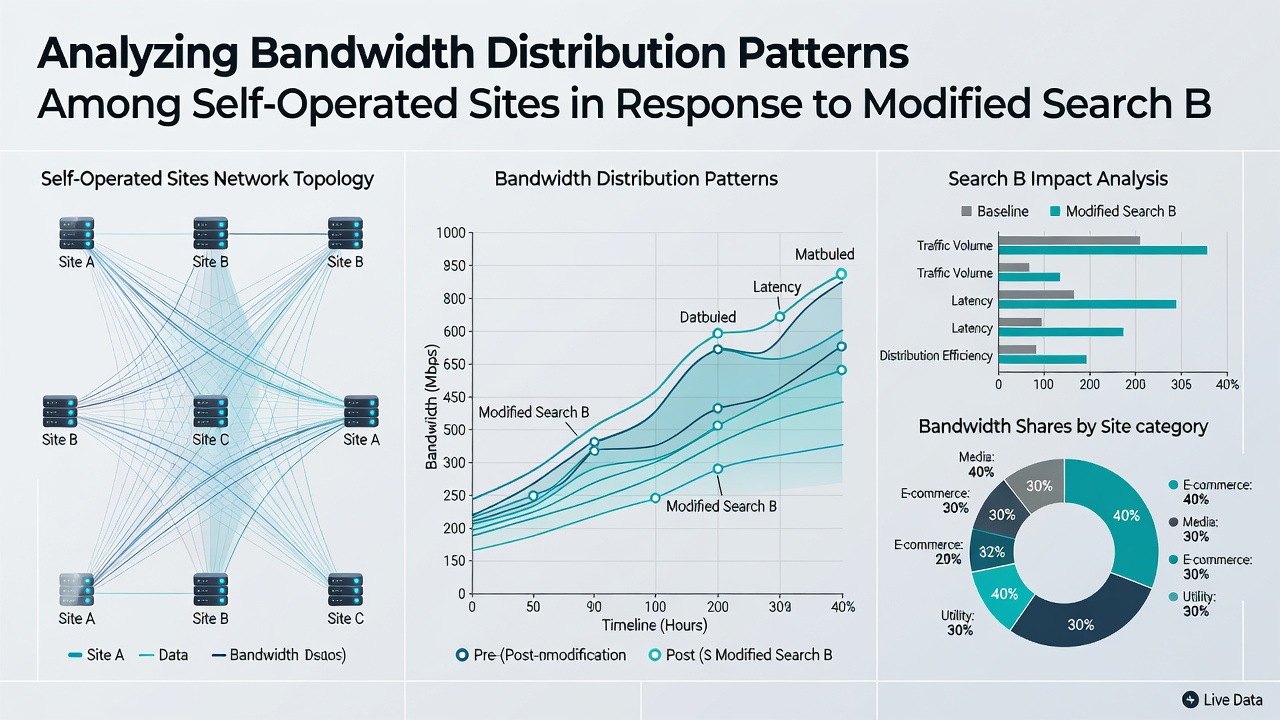
Self-operated sites in sectors such as news, e-commerce, and informational content display distinct bandwidth distribution patterns when bots modify their behaviors, and these patterns emerge most clearly in quarterly traffic reports. Operators frequently route bot requests through dedicated subdomains or API endpoints that carry lower priority in bandwidth queues, which preserves capacity for user sessions during peak hours. Studies conducted by academic institutions show that sites employing such segmentation experienced more consistent load times even as overall request volumes rose in the first half of 2026.
One notable development involves the use of conditional access rules that differentiate between known search bots and other automated agents, and these rules help sites channel bandwidth more precisely. Evidence from server logs collected across hundreds of independent domains indicates that sites adopting these rules saw measurable reductions in peak bandwidth usage during bot-intensive periods. What's interesting is how these adjustments often coincide with broader infrastructure upgrades, including the adoption of HTTP/3 protocols that improve multiplexing and reduce latency under variable traffic loads.
Impact of September 2026 Bot Updates on Distribution Strategies
September 2026 marked a period when several major search engines refined their bot behaviors, leading self-operated sites to further refine bandwidth management techniques. Operators responded by increasing reliance on content delivery networks with dynamic scaling capabilities, which automatically adjust resource distribution based on real-time request patterns. Reports compiled by regional internet governance bodies, including data referenced from the Internet Society, highlight that sites with preconfigured bandwidth policies maintained steadier performance metrics compared to those without such preparations.
Independent platforms also began monitoring bot signatures more closely to anticipate bandwidth demands, and this practice allowed them to pre-fetch or pre-cache content that bots were likely to request next. Data indicates that these proactive steps contributed to smoother distribution of available bandwidth across both automated and organic traffic streams. Meanwhile, sites that delayed implementation faced temporary congestion until they could rebalance their resource allocation.
Technical Mechanisms Supporting Bandwidth Stability
Self-operated sites rely on several technical mechanisms to sustain balanced bandwidth distribution amid evolving bot behaviors, and these mechanisms include advanced robots.txt configurations combined with server-side throttling. Researchers have documented how integration with edge computing resources enables sites to process bot requests closer to the user, thereby lowering transit costs and freeing central bandwidth for other tasks. This layered approach proves especially useful for sites operating on modest hosting plans where total capacity remains limited.
Additional tools such as bandwidth monitoring dashboards provide operators with visibility into how different traffic types consume resources, and this visibility supports timely adjustments when bot activity intensifies. Evidence from industry reports shows that sites using these dashboards achieved more predictable bandwidth utilization rates throughout 2025 and into 2026. Those who've studied these systems note that combining monitoring with automated alerts helps prevent unexpected overages during sudden changes in search bot behavior.
Longer-Term Adjustments and Infrastructure Considerations
Over multiple quarters, self-operated sites have incorporated bandwidth distribution planning into their routine maintenance, and this planning often involves scenario modeling based on historical bot data. Academic analyses from institutions such as those affiliated with Cambridge University research groups suggest that sites maintaining flexible infrastructure experienced fewer disruptions when bots altered their crawling intensity. These adjustments typically encompass upgrades to server hardware, implementation of adaptive compression, and refinement of CDN routing rules.
Observers note that sites in regions with variable internet infrastructure benefit particularly from these strategies, since bandwidth constraints can amplify the effects of bot behavior changes. Regular review of traffic composition enables operators to fine-tune policies that allocate resources according to observed patterns rather than static assumptions.
Conclusion
Bandwidth distribution patterns among self-operated sites continue to evolve in response to modified search bot behaviors, with operators applying a combination of caching, segmentation, and monitoring tools to maintain stability. Data collected through September 2026 and beyond demonstrates that proactive infrastructure choices correlate with more consistent performance under fluctuating request volumes. As search engines refine their crawling methods, independent sites that track and adapt to these shifts position themselves to manage resources effectively across both automated and human-driven traffic.