Devon Vogel · 9 October 2026
Navigating Resource Allocation Shifts Among Standalone Web Ventures After Crawler Protocol Updates
Standalone web ventures operate independent online platforms that must respond to crawler protocol updates from major search engines and indexing services, and these changes often trigger shifts in how resources get distributed across hosting, content delivery, and technical infrastructure. In October 2026 several protocol modifications took effect that altered crawl frequency directives, robots.txt handling procedures, and rate limiting parameters, which forced many self-managed sites to reassess their server configurations and bandwidth commitments.
Understanding Crawler Protocol Updates
Crawler protocols define the rules that automated bots follow when accessing web content, and updates to these standards frequently include revised instructions for delay intervals between requests along with new metadata fields for content priority signals. Observers note that independent ventures without dedicated IT teams experience the most direct effects because they rely on shared hosting environments where resource pools remain limited. Research from academic institutions across multiple regions shows that sites adjusting to these updates commonly redirect budget allocations from marketing campaigns toward infrastructure upgrades that support more efficient crawl handling.
Resource Reallocation Patterns
Data indicates that many standalone platforms increased their CDN usage after the October 2026 changes to reduce direct server load during intensive crawling periods, while others consolidated database queries to minimize CPU spikes triggered by repeated bot visits. Those who've examined quarterly performance metrics across independent web properties find that memory allocation often expands first because updated protocols sometimes require additional logging and response header processing. Experts have observed that ventures in regions with stricter data transfer regulations, such as those monitored by the Australian Competition and Consumer Commission, tend to prioritize caching layers earlier in their adjustment process compared to counterparts elsewhere.
Technical Adjustments Observed
Standalone sites frequently implement dynamic robots.txt generators that respond to specific user-agent strings from updated crawlers, and this approach allows operators to balance indexing needs against server resource consumption without manual intervention on every protocol shift. Studies from European research centers reveal that sites adopting server-side rendering optimizations after the 2026 updates saw measurable reductions in overall hosting costs because crawlers received pre-processed pages that required less on-the-fly computation. Ventures also report reallocating personnel hours from content creation toward monitoring tools that track crawl patterns and alert teams when resource thresholds approach critical levels.
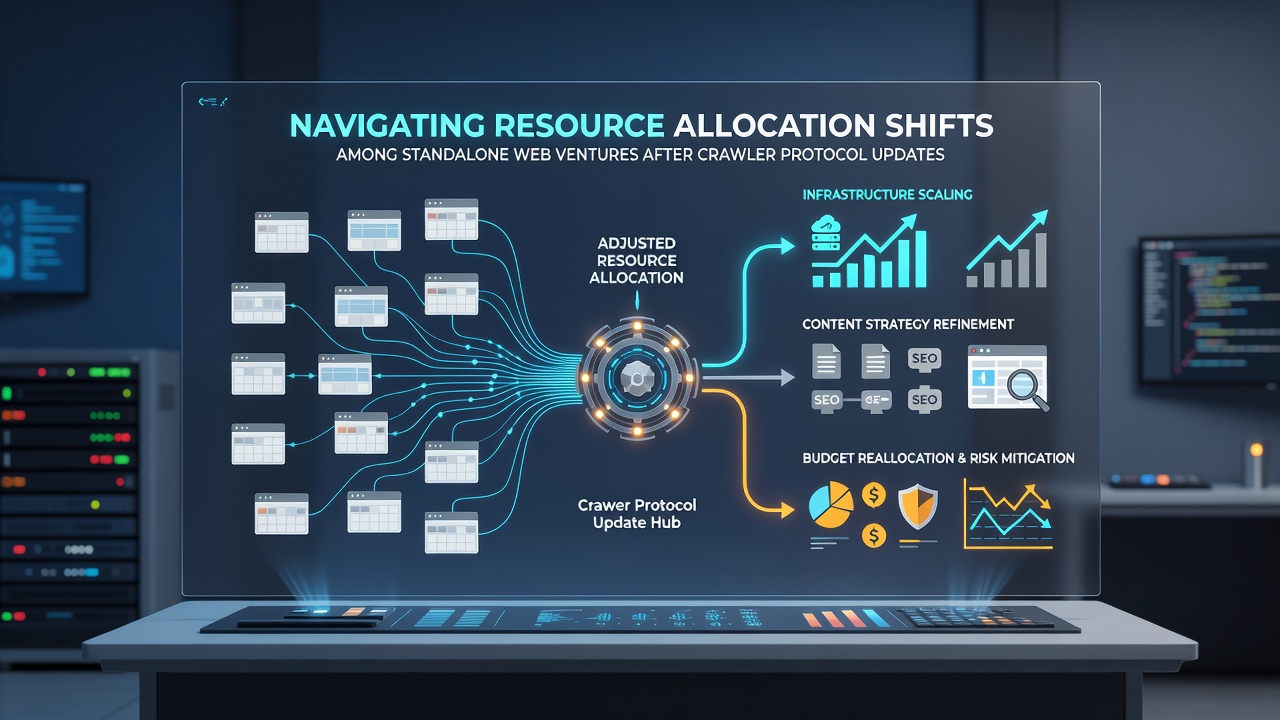
One study revealed that independent platforms integrating automated scaling solutions maintained steadier performance metrics even as crawl volumes fluctuated, and these systems automatically adjust CPU and memory assignments based on detected bot activity patterns. What's interesting is how some ventures discovered that combining protocol-compliant sitemap structures with edge computing resources produced more predictable traffic handling than traditional centralized server setups.
Budget and Infrastructure Considerations
Financial planning for these ventures now incorporates contingency reserves specifically earmarked for protocol-related infrastructure changes, and this practice emerged after multiple waves of crawler updates demonstrated that reactive spending often exceeded proactive investments. According to figures from the Canadian Digital Service, sites that modeled resource requirements in advance of the October 2026 modifications experienced fewer disruptions to their core operations. Independent operators frequently evaluate cloud versus dedicated hosting trade-offs because newer protocol features sometimes demand higher baseline availability that shared environments struggle to provide consistently.
Yet the reality remains that not every standalone venture possesses equal capacity to implement comprehensive changes immediately, which leads many to prioritize low-cost interventions such as header optimization and selective content blocking first. Researchers discovered that these incremental steps often free up enough resources to fund larger upgrades later without requiring sudden capital outlays. Industry reports from organizations like the Internet Society highlight how global variations in internet infrastructure influence which allocation strategies prove most effective for different geographic locations.
Conclusion
Standalone web ventures continue adapting their resource allocation frameworks in response to evolving crawler protocols, and the October 2026 updates accelerated many existing trends toward more automated and distributed technical solutions. Data shows that those who integrate monitoring, caching, and scalable infrastructure elements maintain operational stability while managing costs effectively across changing conditions. The patterns that emerge from these adjustments provide useful reference points for other independent platforms facing similar transitions in the future.